Maguro Mart Nakano: Tuna in Every Cut, Including the Ones You Haven't Tried
Hiro.SAO
The Japan Voyage
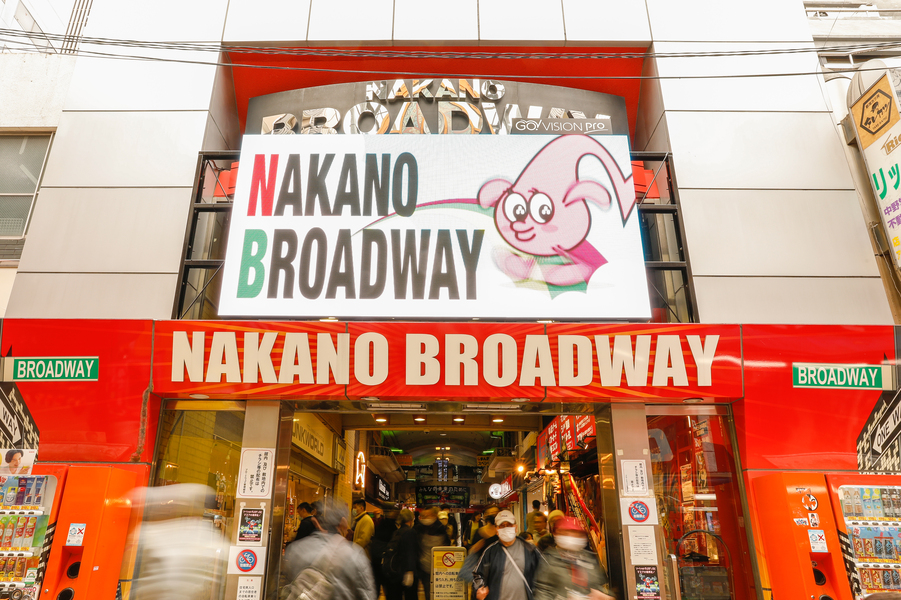
Nakano Broadway is not a place to wander into without a plan. The 1966 complex holds Mandarake’s specialist shops, luxury watch dealers, used camera counters, capsule toys, and a grocery floor, stacked into five levels between B1 and 4F. Think of it as a vertical shopping street rather than a mall, and this Nakano Broadway Tokyo guide as the floor map you read before you go in. Decide what you want first. The building rewards people who arrive with a target.
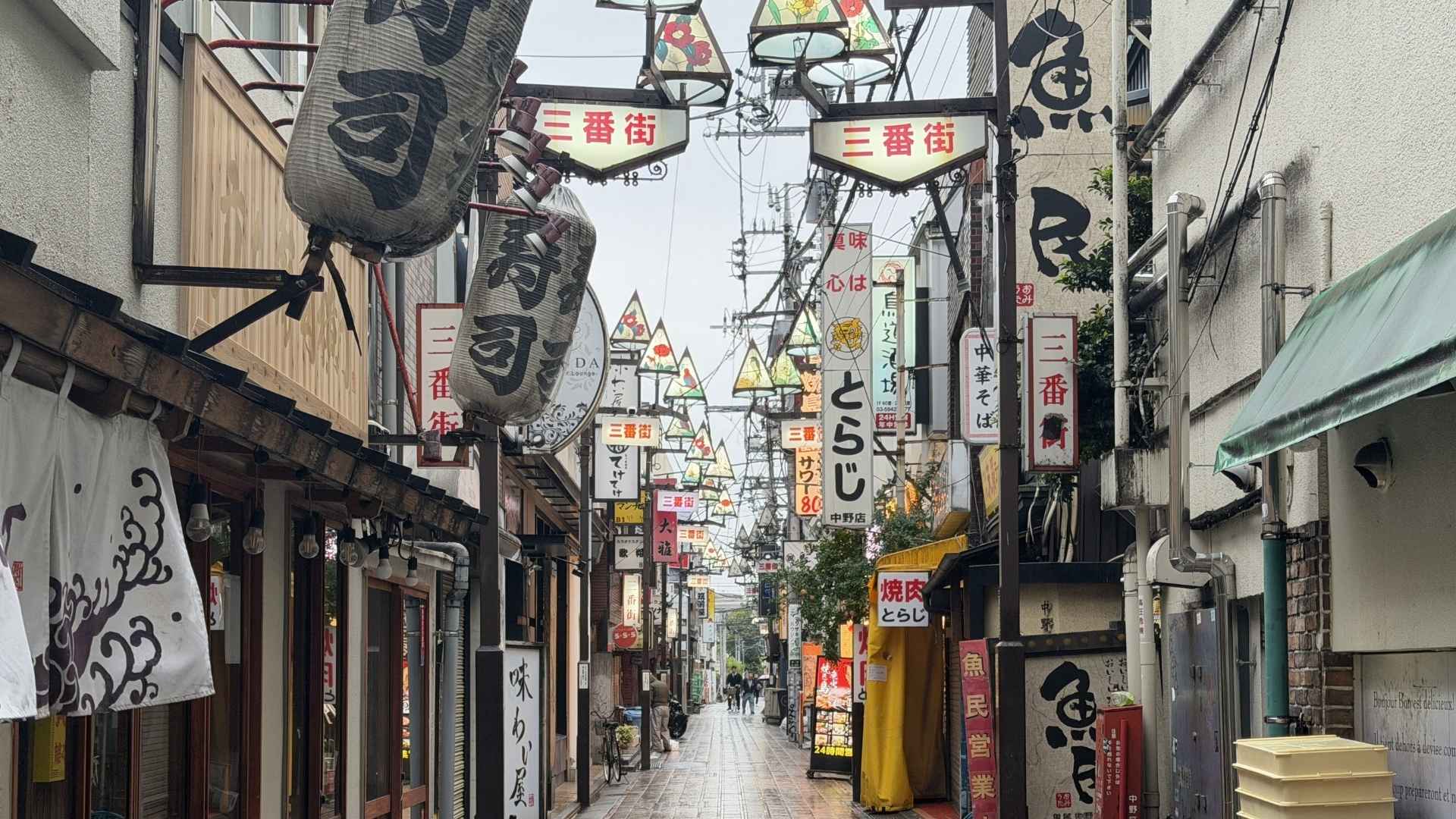
From Nakano Station’s north exit, the covered Sun Mall arcade runs straight ahead, and the walk takes about five minutes. Sun Mall itself is worth your attention on the way: an ordinary local shopping street of food stalls, drugstores and small shops, which sets up the contrast for what comes next. The arcade ends at Broadway’s south entrance. That entrance is the natural starting point, and the route below assumes you use it.
Broadway opened in 1966 as a combined residential and commercial complex, with apartments stacked above the shopping floors. For years the lower levels worked as a normal neighborhood shopping center: groceries, clothing, fortune tellers. The turn came in 1980, when Mandarake started here as a used manga shop. Around it grew a collector economy that now defines the upper floors, several decades of Japanese pop culture pressed into glass cases and narrow branching corridors.
That layering is the point of this Nakano Broadway Tokyo guide: the building never stopped being a local shopping center. It grew a second identity on top of the first, and both are still running. This is also why it is not a smaller Akihabara. It is denser, older and more local, with stock that runs deeper than tourist-facing shelves.
B1F is the everyday basement: food and daily goods. Low priority if you came for collectibles, but useful for cheap drinks and snacks during a long visit. 1F is the entry level and the place to see luxury watches and reuse shops first; from the south entrance, the watch and camera cases start almost immediately. 2F is the main hunting ground, where Mandarake’s specialist shops cluster: trading cards, film and video, toys, music, idol goods, genre by genre.
3F mixes manga and books with more watches. Mandarake’s main store anchors the floor for anyone hunting out-of-print volumes, and Jack Road, the luxury watch specialist, sits here with Betty Road, its counterpart for women’s watches, next door. 4F is where the building gets narrow and serious: figures, dolls, vintage toys, and the kind of niche collections that make strangers stop and stare into a case.
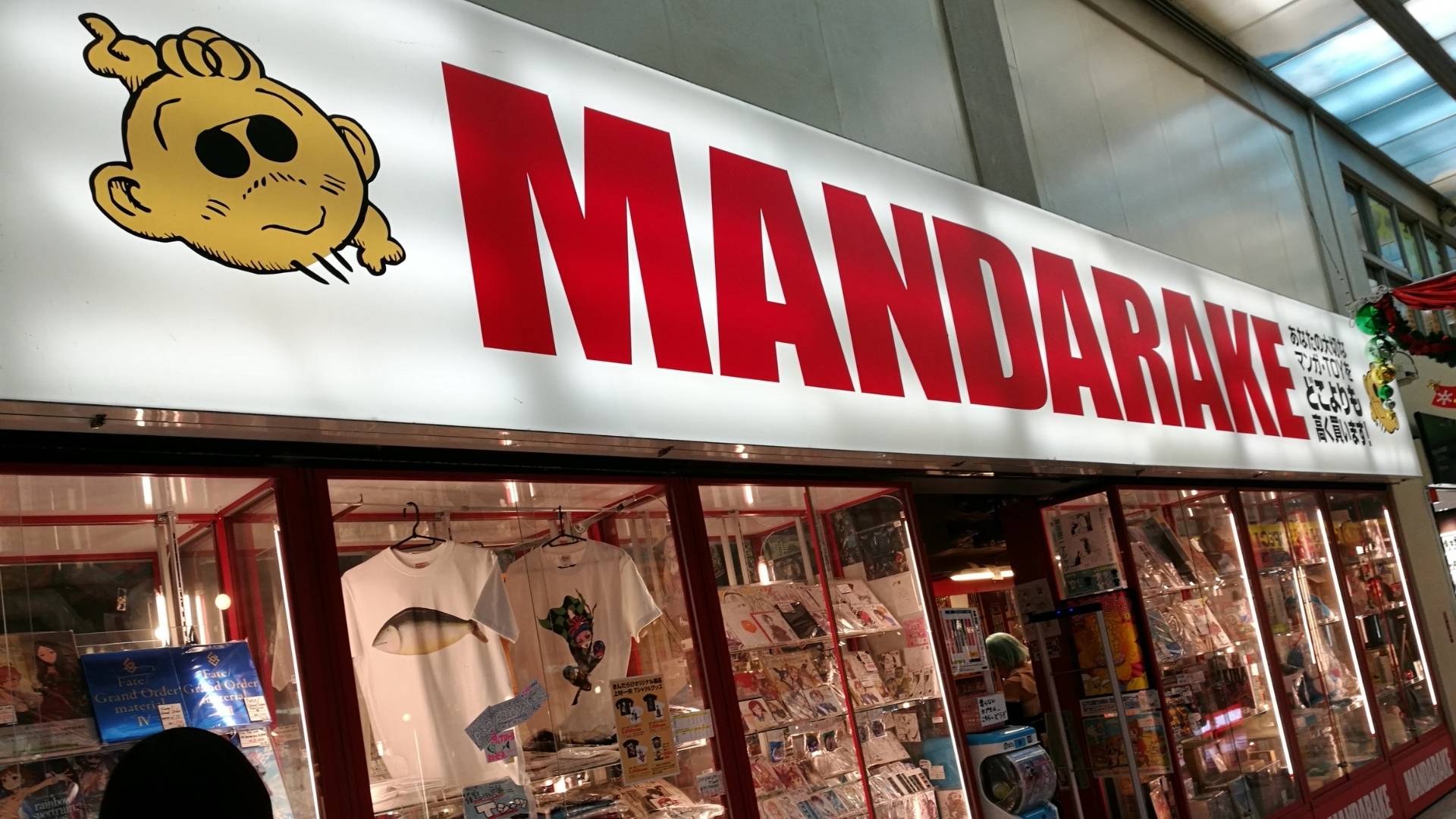
The most common first-visit mistake is treating Mandarake as one big shop. It is a network of small specialist stores spread across the building, each with its own genre: cards in one, film memorabilia in another, idol goods, vintage toys, and the main store handling manga, including out-of-print and rental-era volumes. Guideline hours run 12:00 to 20:00, but check the official floor guide for the current lineup rather than trusting any list in print.
Hunt by genre, not by shop name. The same series can surface in several stores at once, so save your target titles and character names on your phone, in Japanese if you can, and show the screen at the counter. Prices move with condition and rarity, which is why this guide avoids quoting them. Treat every price tag as that day’s answer, not the market’s.
Jack Road on 3F deals in luxury watches, from new stock to pre-owned pieces and parallel imports, with hours of 11:00 to 20:30 and year-round operation. Tax-free purchase is available for eligible visitors, with conditions and paperwork to confirm at the counter, and the shop advertises support in English, Chinese, Korean, and Thai. If you are new to watch buying, run through the checklist before deciding: warranty, condition, accessories, overhaul history, return terms. Parallel imports differ from authorized-dealer stock in warranty and after-service, which is a checklist item rather than a verdict.
For cameras, the anchor is Fujiya Camera, a short walk from the building at Nakano 5-61-1, with new and used bodies, lenses, and maker-by-maker showcases. Inside Broadway, Sofmap Re Collection covers used digital gear and Janpara mixes cameras with other secondhand electronics, while Kitamura in Sun Mall handles prints and travel consumables. Used prices swing widely with condition, so compare across shops, and check the basics before paying: shutter count, sensor state, fungus, return terms. Visitors from abroad should also confirm tax-free eligibility and whether the warranty travels.
Broadway’s real souvenir strength is collectible, not boxed sweets. Think in three layers. First, collector pieces: used manga, posters, trading cards, figures. Second, personality: capsule toys, retro trinkets, design goods, most of it from a few hundred yen to around a thousand.
Third, the everyday layer in Sun Mall and B1F for snacks and small gifts. Limited and vintage pieces can climb steeply in price, and watches or cameras belong to destination shopping rather than souvenirs. Check condition, completeness and return terms before buying, and think about how a boxed figure survives your suitcase; customs rules apply to collectibles too.
Arrive after noon; many specialist shops open around midday even though the building’s guideline hours run 10:00 to 20:00. The route this Nakano Broadway Tokyo guide recommends: enter from Sun Mall, read the watch and camera cases on 1F, then give 2F the longest block of time for Mandarake’s specialist shops.
Take 3F for manga and Jack Road, push to 4F if your interests run narrow and deep, and drop to B1F only if you need supplies. For a break, Zingaro on 2F pours coffee in a Showa-style room produced by Takashi Murakami’s Kaikai Kiki, and Aoba Honten next to the building serves the neighborhood’s classic chuka soba.
Hours vary shop by shop, and the whole building takes a rest day around the third Wednesday of February, so treat every time in this Nakano Broadway Tokyo guide as a guideline. There is no confirmed building-wide tax-free counter; duty-free handling is per tenant, with Jack Road a confirmed example.
Small shops may be cash only, and some restrict photography, including shots of display cases, so read the signs at each door. Elevator routes differ by bank; anyone with a wheelchair, stroller, or big luggage should check the building’s floor signage on arrival. None of this is hostile. It is a working building with residents upstairs, and it treats careful visitors well.
Nakano Broadway rewards a second visit more than almost anywhere in Tokyo, because the stock rotates and the corridors keep secrets. Start with this Nakano Broadway Tokyo guide, come home with the first find, and you will already be planning the return. For the rest of the neighborhood, from ramen counters to izakaya lanes, our Nakano guide maps everything around the building.