Best Izakayas in Nakano Tokyo: Drink Like a Local
Hiro.SAO
The Japan Voyage
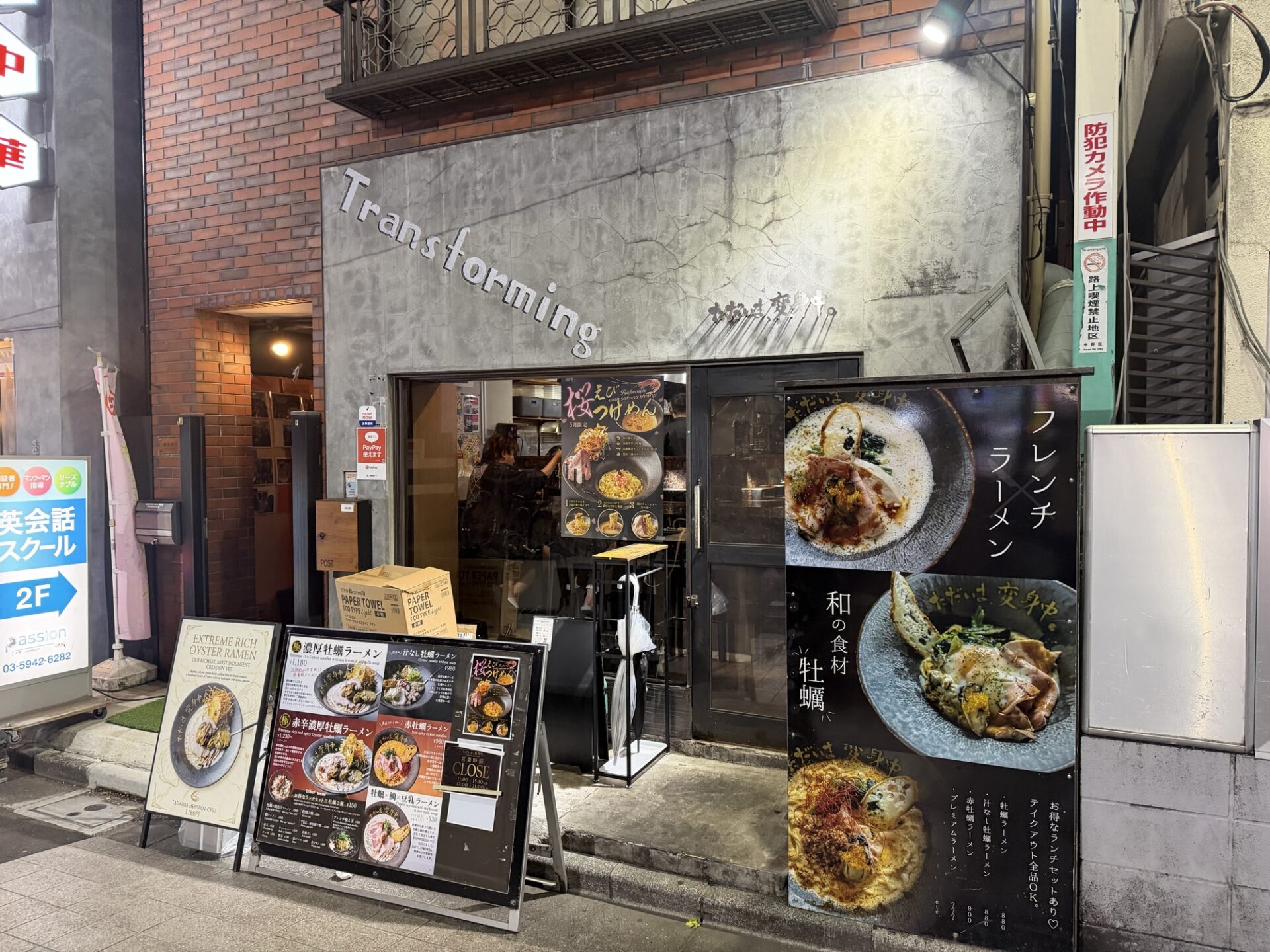
The name on the door reads ただいま、変身中。(Tadaima Henshinchu). Inside, there is only a counter. You sit down, face the kitchen, and order the bowl that defines the place: the goku-noko kaki ramen, ¥1,180, an extreme-concentration oyster broth that lands somewhere between soup and reduction. Nakano has no shortage of ramen shops. Very few of them make you think about oysters. That distinction matters more than it sounds, and it is why this Nakano Tokyo ramen guide starts here.
These are not the three most-talked-about bowls in the neighborhood. They are the three a longtime Nakano resident actually returns to, each one different enough from the others that you can’t substitute one for another.
An oyster specialist, a sesame tantanmen built around dried shrimp, and a fish-forward chuka soba that feels like it’s from another decade. One principle runs through all of them: each bowl is doing one thing, and doing it with conviction. That is the standard this Nakano Tokyo ramen guide is built on.
Ramen counters in Tokyo commonly sell tickets from a vending machine (kenbaiki) at the entrance, and Nakano is no exception. The routine: insert cash, press the button for your bowl, and hand the ticket to the counter staff. No Japanese required, since pointing at the button you pressed is enough. Bring cash to be safe, because not every machine takes cards. All three shops in this Nakano Tokyo ramen guide are used to foreign visitors.
The shop’s name hints at reinvention, but the oyster bowl has earned permanence. The goku-noko kaki ramen is built on a reduced oyster broth: not a broth that happens to contain oyster, but one where oyster is the entire argument. It’s oceanic in the way that deep-winter seafood markets are oceanic, not subtle and not background. Counter seating only. The room is small. The bowl arrives quickly. There is also a gentler entry point: the original oyster ramen at ¥930, one register lighter than the concentrated version.
The kitchen behind it has a longer story: fourteen years of French cooking redirected into a single seafood bowl. We cover it in our full Tadaima Henshinchu review, and the shop posts its schedule on its official site. One planning note: weekday lunch is Monday only; Tuesday through Friday the shop opens for dinner alone, while weekends run longer hours.
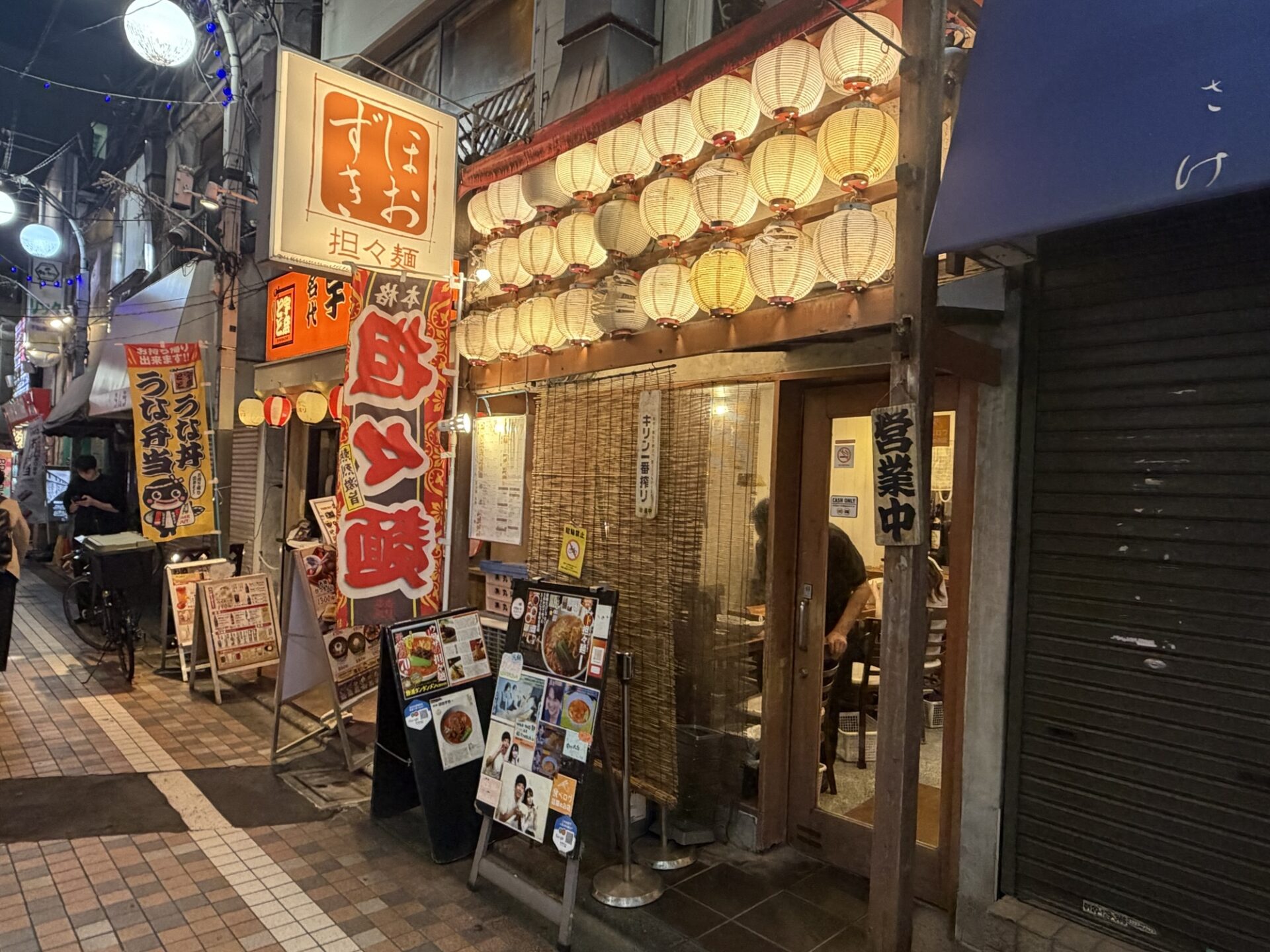
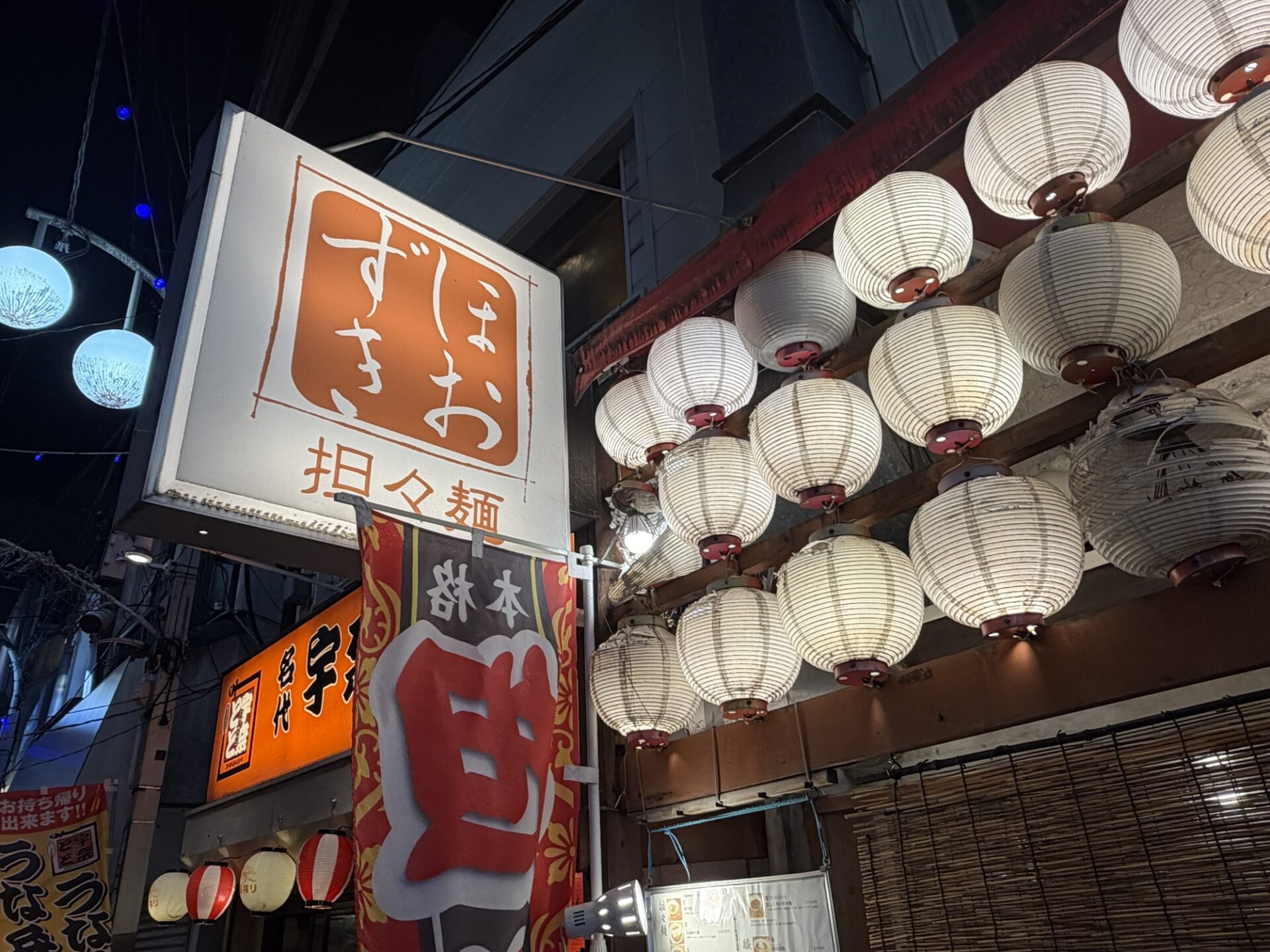
The broth is high-viscosity sesame paste (zhīma jiàng), thick enough to coat a spoon and creamy enough to read as almost dairy. House-made chili oil and Sichuan peppercorn (huājiāo) float on the surface. Underneath the medium wavy noodles, a layer of dried shrimp dissolves slowly into the bottom of the bowl, adding an oceanic depth that separates this tantanmen from anything you’ll find in the tourist-facing parts of Tokyo.
Heat can be dialed up to the highest setting (大辛) on request, but the bowl is designed around richness, not fire. When you’re near the end, ask for a scoop of rice. The remaining broth turns into something close to risotto. We walk through that finale in the full Hozuki tantanmen review. Closures are irregular, so check the shop’s official X account before crossing town.
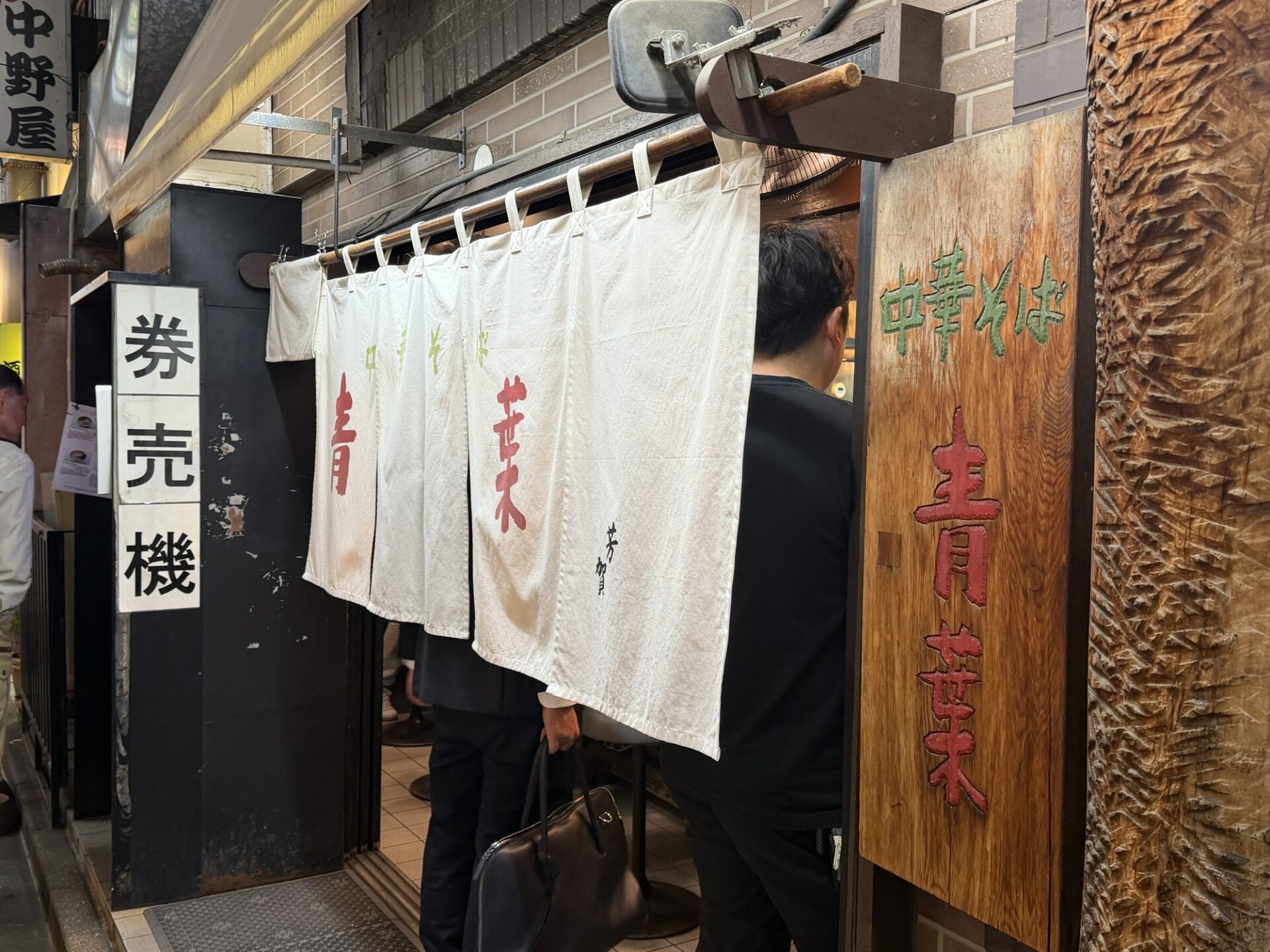
Adjacent to Nakano Broadway, Aoba’s original Nakano location serves a bowl that feels like evidence of a different era of Tokyo ramen. The broth is a two-layer structure: dried sardines and bonito flakes at the front of the palate, pork bone and chicken stock running underneath. Low aggression, high nuance. The noodles are high-hydration medium wavy, with a chew closer to thick udon than to most ramen you’ll eat in Tokyo. Black pepper comes by default.
This is a bowl for people who find most modern ramen too much. If you’ve eaten ramen in Tokyo before and it felt like a performance, Aoba is the alternative, a case we make at length in our Aoba Honten review. It’s also the easiest of the three to fit into a day: open every day, 10:30 to 21:00, no break.
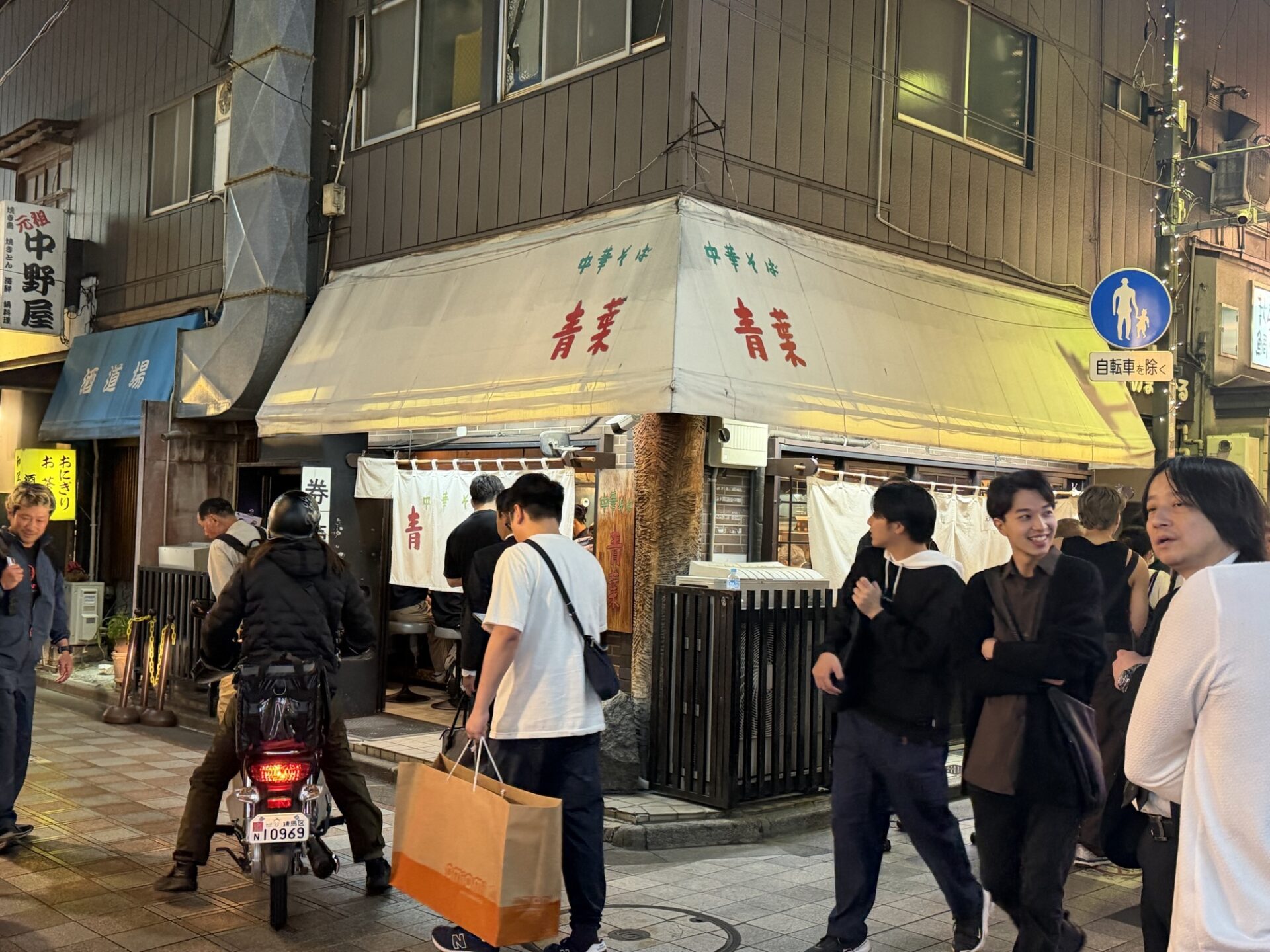
If you’re planning a single day around this Nakano Tokyo ramen guide, timing decides more than taste does. Aoba is the flexible anchor: it runs 10:30 to 21:00 without a break, so it absorbs whatever the other shops rule out. Hozuki serves through the afternoon most days, with a break between 15:00 and 17:00 on Wednesdays and Thursdays.
The one constraint to plan around is Tadaima Henshinchu, where weekday lunch happens only on Monday and a Tuesday-to-Friday visit means dinner. A workable first-visit pattern: Hozuki for lunch, Nakano Broadway in between, then Aoba or Henshinchu in the evening.
The three bowls in this Nakano Tokyo ramen guide don’t compete with each other. They occupy different territory. If you’re choosing based on what you actually want that day:
If you’re spending the day here, Aoba and Tadaima Henshinchu both sit near Nakano Broadway and can anchor the same afternoon. Our Nakano guide maps the neighborhood area by area. And if ramen is the start rather than the whole evening, Dainichikara Shuzo — one counter, one flatfish, too much sake — is the kind of old-school izakaya this neighborhood does better than anywhere.
Every shop in this Nakano Tokyo ramen guide sits within a 15-minute walk of Nakano Station, on the JR Chuo Line and the Tokyo Metro Tozai Line.
| Shop | Bowl & Price | Address | Hours | Closed |
|---|---|---|---|---|
| Tadaima Henshinchu | Oyster Ramen・牡蠣ラーメン ¥930 / Concentrated・極濃厚牡蠣ラーメン ¥1,180 (tax included) | 東京都中野区中野5-53-3 | Mon: 11:00–L.O. 15:10 / 17:00–L.O. 21:00 Tue–Fri: 17:00–L.O. 23:00 (dinner only) Sat: 11:00–L.O. 23:00 Sun: 11:00–L.O. 21:00 |
Irregular closures a few times per year |
| Tantanmen Hozuki | Tantanmen・担々麺 ¥1,200 (tax included) | 東京都中野区中野5-52-1 | Mon / Tue / Fri / Sat: 11:30–22:00 (L.O. 21:45) Wed / Thu: 11:30–15:00 / 17:00–22:00 Sun: 11:30–21:30 (L.O. 21:15) |
Irregular — check official X account |
| Chuka Soba Aoba Nakano Honten | Chuka soba・中華そば from ¥780 | 東京都中野区中野5-58-1 なかのまるひる 1F | 10:30–21:00 (all day, no break) | None — open daily |