Oyster Ramen with 14 Years of French Kitchen Behind It: Tadaima Henshinchu, Nakano
Hiro.SAO
The Japan Voyage
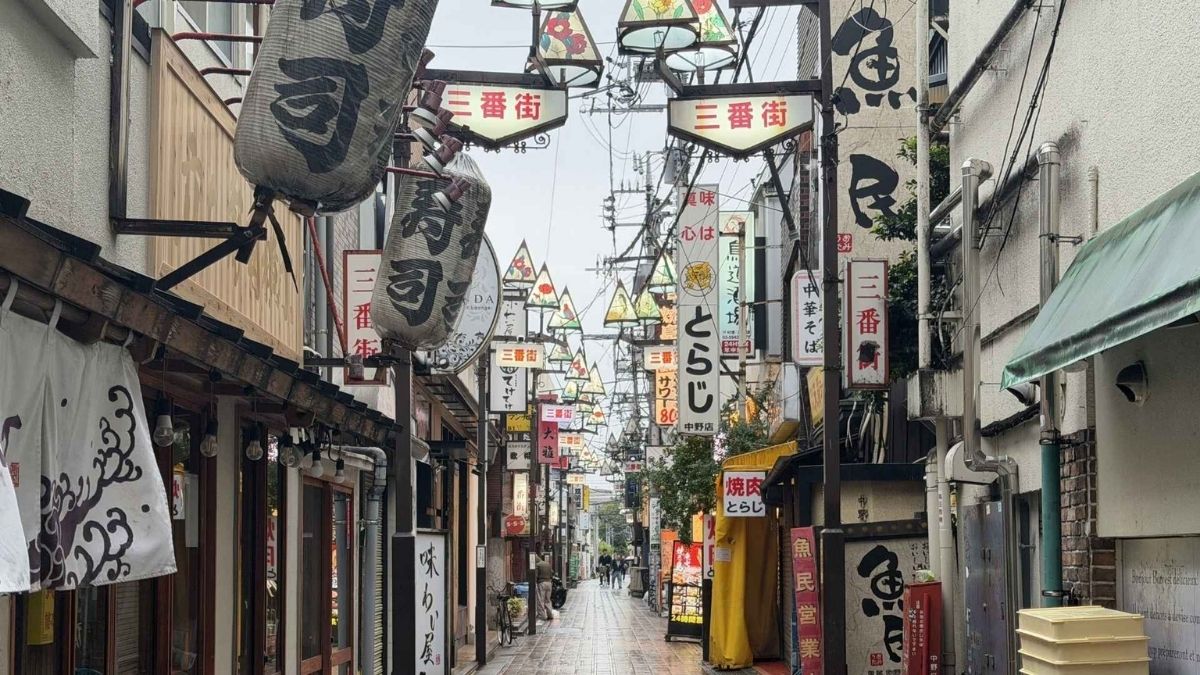
Step out of Nakano Station’s north exit and the arcade begins. A side-dish counter, a pharmacy, a taiyaki stand — each one already running its own morning rhythm. Two women with folded grocery bags push past a pair of visitors consulting their phones. The arcade doesn’t care which you are. It runs 224 meters and ends at a building that opened in 1966 and has not stopped filling up since. Is Nakano worth visiting Tokyo? The short answer is: it depends entirely on what you came to Tokyo for.
Nakano is a ward in west Tokyo. It covers 15.59 square kilometers and holds 354,214 residents as of April 2026 — a population density of 22,721 people per square kilometer, the second highest among Tokyo’s 23 wards after Toshima. Those numbers describe the character of the place before you arrive: this is a dense, working residential neighborhood, not a district engineered for visitors.
The main axis for visitors runs north from Nakano Station: through Nakano Sun Mall, a 224-meter covered shopping arcade directly connected to the north exit, and into Nakano Broadway — a five-floor commercial complex opened in 1966 that now holds more than 200 shops. Past Broadway, the route continues through smaller shopping streets toward Arai Yakushimae Station on the Seibu Shinjuku Line. The neighborhood shifts as you walk: fewer tourist-adjacent shops, more local scale, old shrines marking the edge of the residential city.
What Nakano does not have: temple complexes like Asakusa’s, high-rise skylines like Shinjuku’s, department stores like Ginza’s. The absence of those things is not a deficiency. It is what the neighborhood is. The question is whether what Nakano offers is what you are looking for.
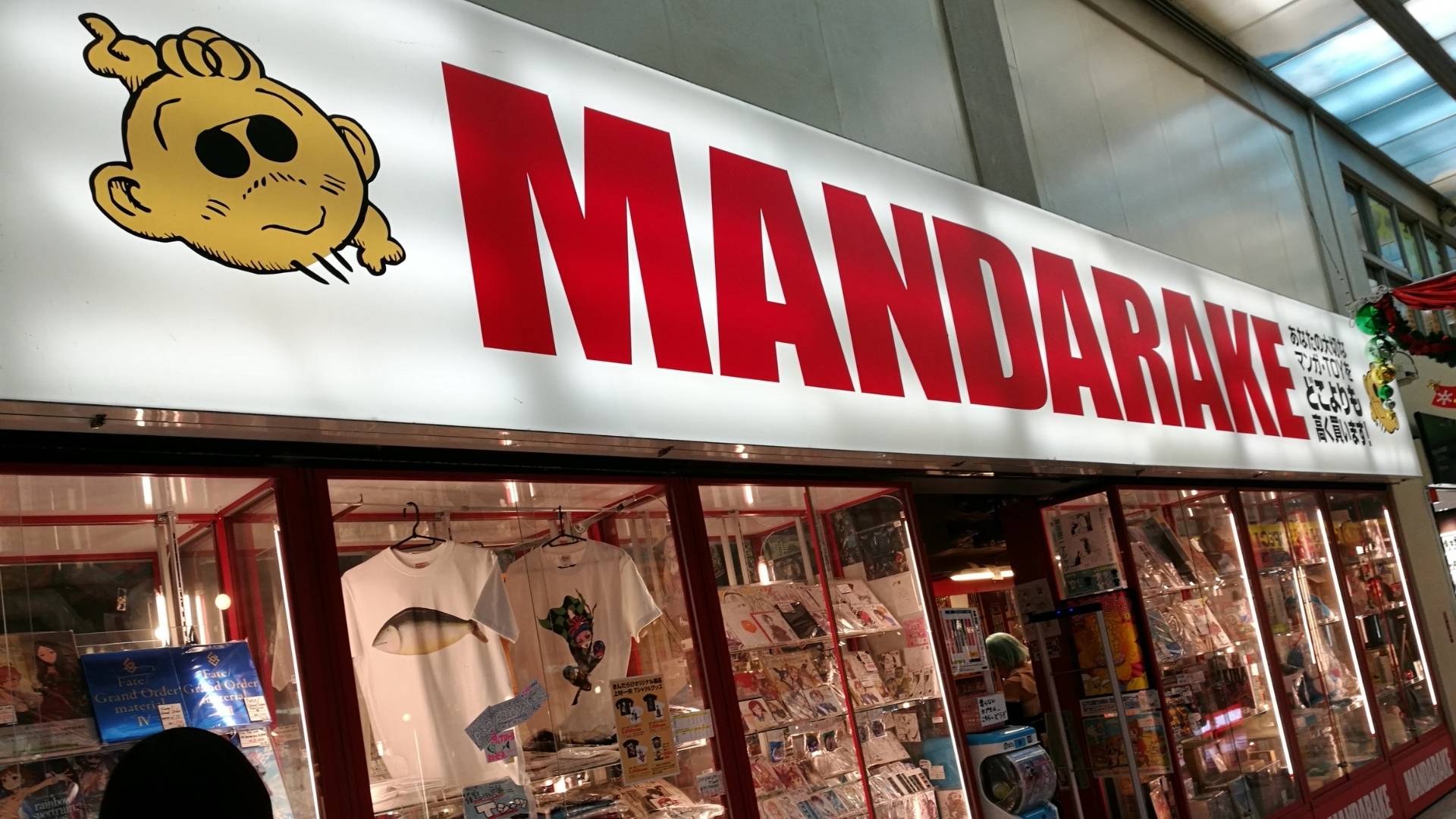
Nakano works for a specific kind of traveler. Collectors — anime figures, vintage manga, rare items — will find that Nakano Broadway offers something distinct from Akihabara’s tourist-facing megastores. Akihabara’s main commercial stretch (Chuo-dori) is a thoroughfare built explicitly for otaku retail. Broadway is different: a mixed commercial complex where collector shops filled the upper floors over decades, alongside ordinary service shops and a supermarket. The density of material is serious; the surrounding context is a functioning neighborhood, not a theme district.
Beyond collecting, Nakano works for people who want to see Tokyo as a place people actually live. The shopping streets, the eating options, the pace of the place are calibrated for residents, not first-time visitors. Travelers who find that kind of experience satisfying — watching a city operate on its own terms — will get more from Nakano than from most polished tourist districts.
Nakano also works as a rainy-day option. The route from the station through Sun Mall and into Broadway stays dry regardless of weather. For visitors staying near Shinjuku with a free half-day and an overcast forecast, it is one of the most practical covered walking routes in central Tokyo.
The same qualities that make Nakano interesting to some visitors make it the wrong choice for others. If you are looking for major shrines or temple complexes, traditional crafts, luxury retail, or a single photogenic landmark, Nakano does not offer those things. Multilingual signage and English-language service are not standard across the neighborhood. First-time visitors to Japan with limited days who want to maximize iconic sites will find their time better spent elsewhere.
| Nakano is worth it if you… | Skip Nakano if you… |
|---|---|
| Collect anime, manga, figures, or vintage items | Prioritize major temples, shrines, or traditional architecture |
| Want to experience a working Tokyo neighborhood | Are looking for high-end shopping or current fashion |
| Are staying near Shinjuku with half a day free | Need English-language service as a baseline |
| Need a covered walking route on a rainy day | Are visiting Japan for the first time with only a few days |
| Want local restaurants that aren’t built for tourists | Want a single iconic landmark to photograph |
The covered section of Nakano runs from the north exit through Sun Mall and into Broadway. Sun Mall’s 224 meters are lined with everyday retail — clothing, food, pharmacies — and the whole stretch stays dry in any weather. Broadway’s five floors shift in character as you go up: the ground floor mixes food and ordinary services; the upper levels hold the concentrated collector culture the building is known for.
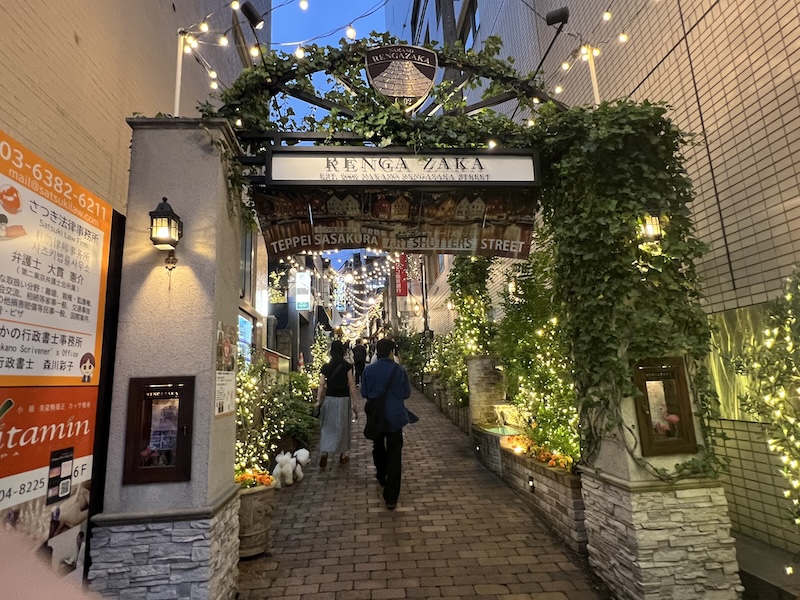
Past Broadway, the walk continues on foot through Yakushi Ai Road and toward Arai Yakushimae Station. The neighborhood becomes smaller in scale: local shops, Arai Yakushi (a temple embedded in the residential fabric), Kitano Shrine just behind it. These are not tourist attractions in the conventional sense — they are old, active, and operating as part of the neighborhood’s daily life rather than as managed visits.
Time estimate: Broadway alone takes 1 to 2 hours. Add a meal and you have half a day. The full walk to Arai Yakushimae, taking your time through the shopping streets, fills a day. For a full picture of how to move through the area, see the Nakano Tokyo area guide.
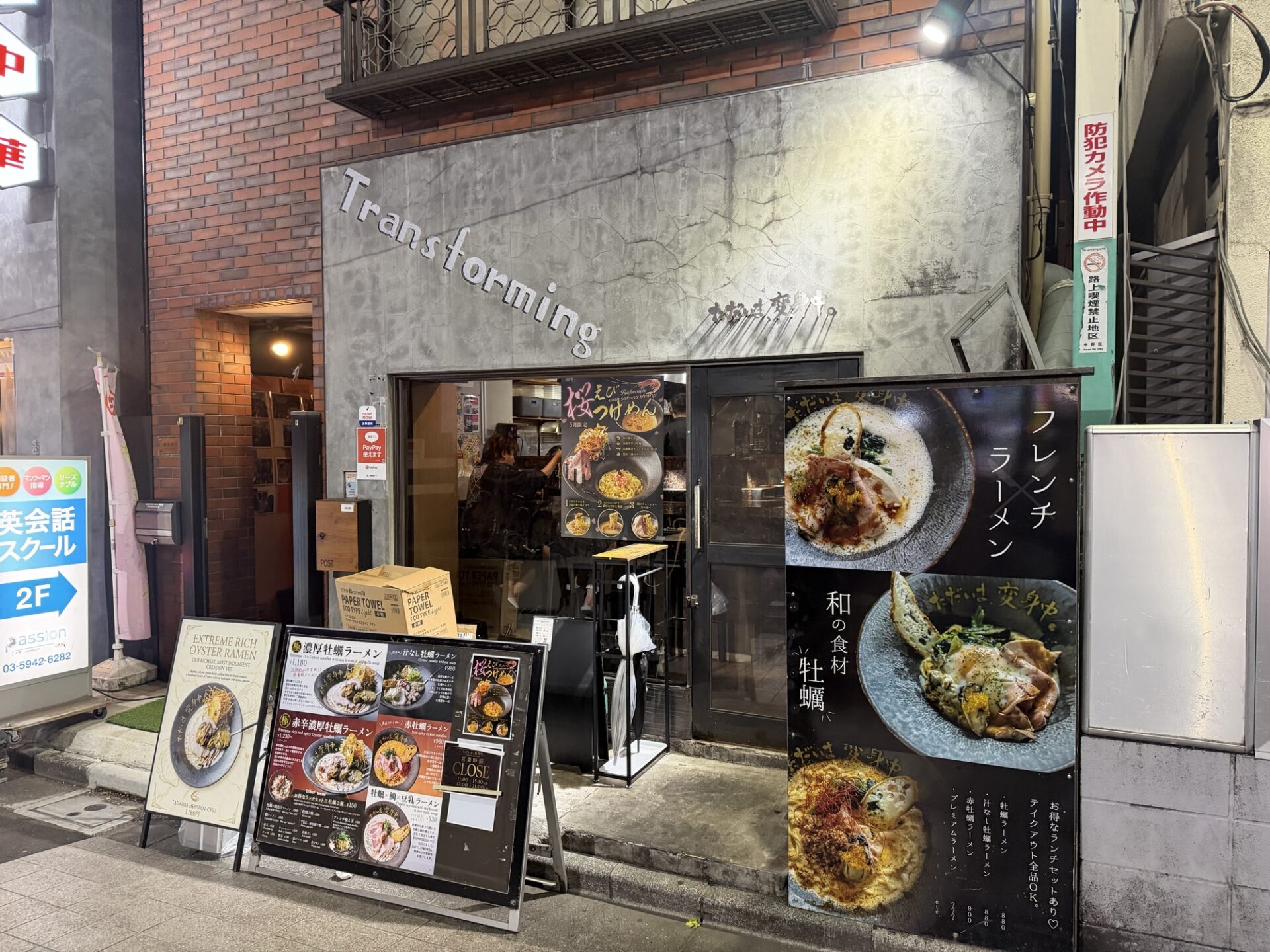
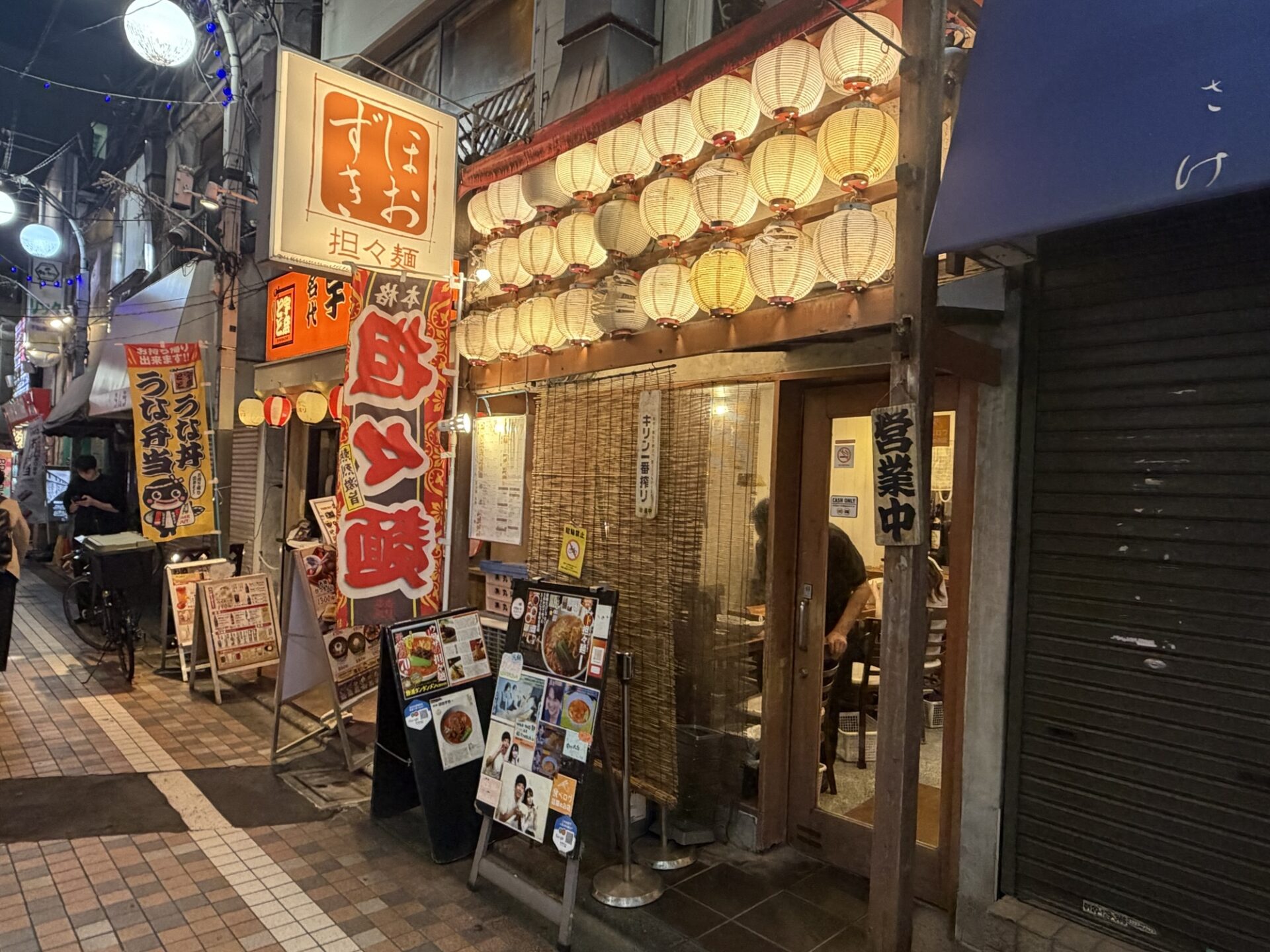
The restaurants near Nakano Station run ramen shops, izakayas, and independent cafes. The menus are built for regulars — people who eat there every week — not for visitors passing through once. Individual restaurant guides cover the specifics, but the general picture is ramen counters, sake-focused drinking restaurants, and a few cafes that take their coffee seriously. Pricing is not uniformly cheap, but specific items compare favorably to what the same category costs in Shibuya or Harajuku.
For individual restaurant coverage, see the Nakano food guide.
Nakano Station is served by the JR Chuo Line Rapid, the JR Chuo-Sobu Line Local, and the Tokyo Metro Tozai Line. The Chuo Rapid is the fastest option from central Tokyo. From Shinjuku, it is one stop: 4 to 5 minutes. From most major hotel areas in Tokyo, the trip takes under 20 minutes. The practical implication is that Nakano does not require choosing it as a base — it is close enough to add as a half-day from almost anywhere you are likely to stay.
| From | Route | Approx. Time |
|---|---|---|
| Shinjuku | JR Chuo Rapid (1 stop) | 4–5 min |
| Shibuya | Yamanote → Shinjuku → Chuo Rapid | ~15–19 min |
| Harajuku | Yamanote → Shinjuku → Chuo Rapid | ~12–17 min |
| Ikebukuro | Yamanote → Shinjuku → Chuo Rapid | ~18–20 min |
| Tokyo Station | JR Chuo Rapid (direct) | ~18–19 min |
| Narita Airport | NEX → Shinjuku → Chuo Rapid | ~90–110 min |
| Haneda Airport | Keikyu → Shinagawa → Yamanote → Shinjuku → Chuo | ~45–60 min |
Autumn (October–November) is the easiest season for street-level walking. Spring (March–April) brings cherry blossoms to Tetsugakudo Park, a nationally designated scenic site roughly 30 minutes on foot from Nakano Station, or about 9 minutes’ walk from Arai Yakushimae Station on the Seibu Shinjuku Line. The park is worth the detour during bloom season. The area around Arai Yakushimae is quiet with few restaurants, so eat and shop in Nakano before heading out.
Summer (July–August) is hot. The covered arcade and Broadway’s interior provide shelter from the heat, but outdoor walking is uncomfortable. This is a season for staying inside. Winter brings a Christmas illumination to Nakano Central Park from late November through December 25 (blue lighting; verify dates for the current year before visiting), and a MOTTAINAI flea market in late December with clothing, household goods, and secondhand finds.
Arriving at 10 or 11am allows a full circuit of the neighborhood in one day. Whether that day is spent primarily inside Broadway or walking the full route to Arai Yakushimae depends on your interest. Collector-focused visitors can cover what they need in half a day. Anyone who wants to experience the full range of the neighborhood — shopping streets, food, the walk to the temple district — should plan for a full one.